What Can You Put in a Junk Removal Bin in Kelowna? (2026 Guide)
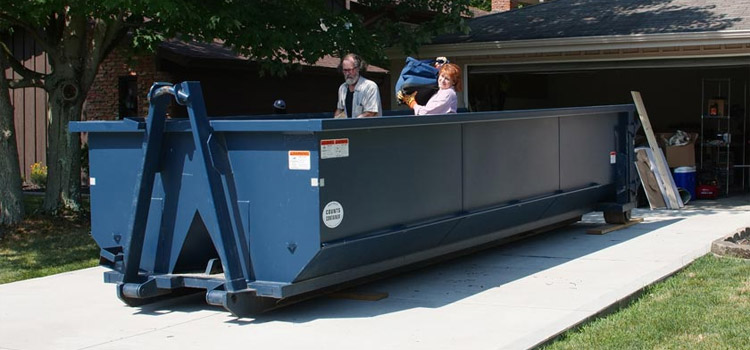
Cleaning up a property in Kelowna can feel strangely archaeological.
One minute you are organizing the garage, and the next you are uncovering forgotten treadmills, mystery lumber, half a patio set, and a bucket of paint that may predate Wi-Fi.
Fortunately, junk removal bins make large cleanups dramatically easier. However, many homeowners and contractors across Kelowna and the Okanagan still ask the same question:
What can actually go into a junk removal bin?
The answer depends on the type of waste, local disposal regulations, recycling requirements, and environmental safety standards throughout British Columbia.
Whether you are renovating a home, cleaning a rental property, landscaping a yard, or managing a construction site, this guide explains what can and cannot go into junk removal bins in Kelowna while helping you avoid additional disposal fees or pickup delays.
For professional junk hauling, cleanup, and recycling services throughout the Okanagan, visit TNT Kelowna Junk Removal Services.
Common Items You CAN Put in a Junk Removal Bin
Most non-hazardous household, construction, and yard materials can safely be placed into a junk removal bin.
In fact, junk bins are designed specifically for large-scale cleanups where regular curbside pickup simply is not enough.
Common accepted materials include:
- Furniture
- Mattresses
- Household clutter
- Renovation debris
- Drywall
- Lumber
- Flooring
- Yard waste
- Branches and brush
- Scrap metal
- Cardboard
- Appliances
- Non-hazardous construction waste
- Garage cleanout materials
- Office furniture
- Demolition debris
TNT Kelowna regularly handles residential, commercial, construction, and property cleanup projects throughout Kelowna, West Kelowna, Vernon, Lake Country, Peachland, Penticton, and surrounding Okanagan communities.
Additionally, many recyclable materials are sorted separately whenever possible to help reduce landfill waste across the Central Okanagan.
Household Junk That Is Usually Accepted
Most standard household junk can go directly into a removal bin.
This includes:
- Old couches and chairs
- Broken tables
- Toys
- Clothing
- Storage clutter
- Shelving
- Small household items
- General garbage
- Non-recyclable debris
As a result, junk bins are especially useful during:
- Home moves
- Estate cleanouts
- Downsizing projects
- Foreclosure cleanups
- Rental turnovers
- Spring cleaning projects
For homeowners across Kelowna, junk removal has become one of the fastest ways to reclaim garage space, backyards, storage rooms, and basements without multiple landfill trips.
Construction Debris That Can Go Into Bins
Construction and renovation waste makes up a major portion of junk hauling projects throughout the Okanagan.
Accepted construction materials often include:
- Drywall
- Wood
- Flooring
- Tile
- Cabinets
- Roofing materials
- Concrete pieces
- Asphalt
- Insulation
- Demolition debris
However, separating recyclable materials beforehand may reduce disposal costs and improve recycling efficiency.
For example:
- Clean wood is often separated from painted wood
- Metals are recycled separately
- Concrete may be crushed and reused
- Cardboard should remain dry and flattened
TNT Kelowna also provides demolition cleanup, hauling, trucking, and excavation services for construction projects across the region:
Yard Waste and Landscaping Materials
Yard cleanup projects across Kelowna generate huge amounts of debris, especially during spring and fall.
Accepted yard waste usually includes:
- Leaves
- Grass clippings
- Small branches
- Shrubs
- Garden debris
- Brush
- Soil
- Sod
- Small landscaping materials
Because Okanagan properties often experience dry summers and heavy seasonal yard growth, junk bins are frequently used during:
- Landscaping renovations
- Storm cleanup
- Tree trimming
- Backyard redesign projects
For larger landscaping and site cleanup projects:
Items That CANNOT Go Into a Junk Removal Bin
Although junk bins accept many materials, certain items are restricted for environmental and safety reasons.
Prohibited materials typically include:
- Paints and solvents
- Asbestos-containing materials
- Chemicals
- Fuel
- Oil
- Propane tanks
- Pesticides
- Hazardous waste
- Explosives
- Biohazard materials
- Certain batteries
- Medical waste
Additionally, some electronics and appliances require specialized recycling procedures.
The City of Kelowna and Regional District of Central Okanagan both provide waste disposal and recycling guidelines for residents:
What About Appliances and Electronics?
Appliances are commonly accepted, although some may require additional environmental handling fees.
These include:
- Refrigerators
- Freezers
- Air conditioners
- Washing machines
- Dryers
- Stoves
Meanwhile, electronics such as TVs, computers, monitors, and batteries often require separate recycling streams.
According to local recycling discussions and disposal guidance, many Kelowna residents use recycling depots for electronics and specialty materials instead of placing them directly into general waste streams.
Separating electronics ahead of pickup can also help improve recycling outcomes and reduce contamination.
Why Recycling Matters in the Okanagan
The Okanagan Valley continues experiencing rapid population growth and construction activity.
Consequently, landfill pressure and waste management challenges have become increasingly important throughout the region.
Many local contractors and residents now prioritize:
- Recycling
- Material recovery
- Concrete crushing
- Metal recycling
- Wood diversion
- Responsible disposal practices
TNT Kelowna emphasizes eco-conscious hauling and recycling whenever possible to reduce unnecessary landfill waste across the Central Okanagan.
Local community discussions also show increasing public interest in how recycling systems actually work in Kelowna and British Columbia.
Tips for Loading a Junk Removal Bin Efficiently
Loading your junk bin properly can save space, reduce hauling costs, and improve safety.
Helpful tips include:
- Break down furniture when possible
- Flatten cardboard
- Bag loose garbage
- Keep prohibited materials separate
- Place heavy materials on the bottom
- Avoid overfilling above bin edges
- Separate recyclables ahead of time
Additionally, organizing debris before pickup helps hauling crews work faster and more safely.
When Should You Rent a Junk Removal Bin?
Junk removal bins are ideal for:
- Home renovations
- Demolition projects
- Estate cleanouts
- Landscaping projects
- Commercial cleanups
- Rental property turnovers
- Construction sites
- Moving preparation
- Garage and basement cleanouts
In many cases, a professional hauling company can also complete the labor, loading, hauling, recycling, and disposal for you.
Why Kelowna Property Owners Use Professional Junk Removal Services
Professional junk removal saves:
- Time
- Multiple landfill trips
- Equipment rentals
- Heavy lifting
- Sorting and disposal headaches
More importantly, experienced local contractors understand:
- Regional disposal regulations
- Recycling procedures
- Landfill requirements
- Environmental guidelines
- Okanagan hauling logistics
TNT Kelowna provides junk removal, demolition cleanup, trucking, excavation, landscaping, and recycling solutions throughout Kelowna and the Okanagan Valley:
Final Thoughts
Junk removal bins can handle far more than most people expect.
From renovation debris and yard waste to furniture, construction materials, and property cleanouts, bins provide one of the fastest ways to remove unwanted materials safely and efficiently throughout Kelowna and the Okanagan.
Nevertheless, understanding what can and cannot go into a bin remains essential for avoiding disposal issues, protecting the environment, and keeping cleanup projects running smoothly.
Because at some point, every garage in the Okanagan evolves into a tiny museum dedicated to extension cords, mystery screws, and “I might need this someday.”