
Preparing Your Property for Demolition in Kelowna: Complete Checklist (2026 Guide)
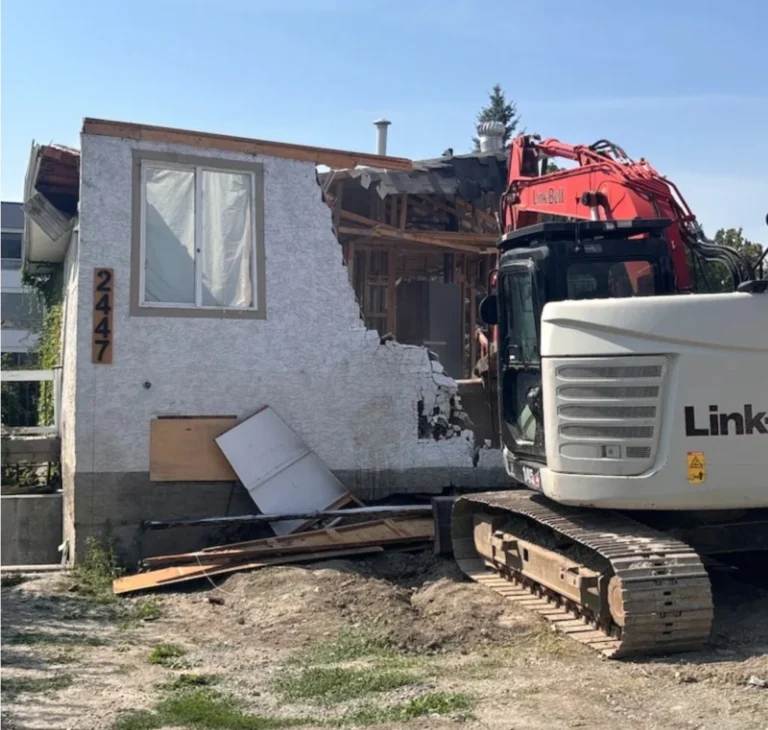
Demolition projects often look simple from the outside. A machine arrives, walls come down, debris disappears, and the property is suddenly ready for something new.
However, the reality is far more technical.
Before any structure can be demolished in Kelowna or elsewhere in the Okanagan, property owners must carefully plan permits, inspections, utility disconnects, hazardous material assessments, waste removal, and site preparation. Otherwise, unexpected delays, fines, environmental concerns, or safety risks can quickly derail the project.
Whether you are removing an aging garage, tearing down a home for redevelopment, or preparing land for a new commercial build, this guide explains exactly how to prepare your property for demolition in Kelowna while staying compliant with local regulations and avoiding costly surprises.
For professional demolition and site preparation services, visit TNT Kelowna Demolition Services.
Why Proper Demolition Preparation Matters
Although demolition marks the end of a structure, it also marks the beginning of a new phase of construction.
Consequently, poor preparation can create major downstream problems involving excavation, grading, utility installation, permitting, and environmental compliance.
In Kelowna and throughout the Okanagan Valley, municipalities are increasingly strict about:
- Dust control
- Waste disposal
- Environmental protection
- Hazardous material handling
- Noise regulations
- Construction safety
As a result, preparing correctly from the start can save homeowners and developers significant time and money.
Step 1: Obtain the Required Demolition Permits
Before demolition begins, property owners must obtain the appropriate permits from their municipality.
In Kelowna, demolition permits are handled through the City of Kelowna Development Services Department.
City of Kelowna Building & Demolition Permits
Additionally, nearby municipalities throughout the Okanagan have their own permit requirements:
- District of West Kelowna Building Permits
- City of Penticton Building Services
- District of Lake Country Building Permits
- City of Vernon Building Permits
Because regulations vary between municipalities, it is important to verify:
- Permit timelines
- Inspection requirements
- Utility documentation
- Environmental assessments
- Tree protection bylaws
- Waste disposal regulations
Furthermore, commercial demolition projects may require additional engineering documentation and environmental approvals.
Step 2: Disconnect Utilities Before Demolition
Next, all active utilities must be safely disconnected before equipment arrives onsite.
This includes:
- Electricity
- Natural gas
- Water
- Sewer
- Internet and communications
- Propane systems
Failing to disconnect utilities properly can create severe safety hazards, including fire risks, flooding, or gas leaks.
You can coordinate utility shutoffs through:
- FortisBC Natural Gas Services
- BC Hydro Construction & Electrical Connections
- BC 1 Call Utility Locate Services
Importantly, BC 1 Call should always be contacted before excavation or demolition work begins to identify underground utility lines.
Step 3: Schedule Hazardous Material Inspections
Many older homes and buildings in Kelowna contain hazardous materials that must be identified before demolition.
For example, structures built before the 1990s may contain:
- Asbestos
- Lead paint
- Mold contamination
- PCB-containing materials
- Contaminated insulation
Under WorkSafeBC regulations, hazardous materials assessments are legally required before demolition in many situations.
WorkSafeBC Hazardous Materials Guidelines
Additionally, proper hazardous waste handling helps protect:
- Workers
- Neighbouring properties
- Local waterways
- Soil conditions
- Air quality
This is especially important throughout the environmentally sensitive Okanagan region.
Step 4: Plan for Waste Removal and Recycling
Demolition projects generate massive amounts of debris.
Fortunately, many materials can be recycled or salvaged instead of ending up in landfills.
These materials may include:
- Concrete
- Asphalt
- Metal
- Wood
- Drywall
- Fixtures
- Appliances
Accordingly, responsible demolition contractors separate materials whenever possible to reduce environmental impact.
For waste disposal and recycling information:
If you need demolition cleanup, hauling, or disposal support, visit:
Step 5: Protect Nearby Structures and Landscaping
Before demolition starts, surrounding areas should be secured and protected.
This becomes especially important in dense Kelowna neighbourhoods where homes, fences, retaining walls, or driveways may sit close together.
As a result, contractors often install:
- Temporary fencing
- Dust barriers
- Tree protection zones
- Equipment access routes
- Erosion control systems
In addition, the City of Kelowna has tree protection requirements that may apply during demolition and redevelopment projects.
City of Kelowna Tree Protection Information
Step 6: Prepare the Site for Excavation and Rebuilding
Once demolition is complete, the next stage usually involves excavation, grading, or foundation preparation.
Therefore, it makes sense to coordinate demolition and excavation planning together whenever possible.
This can help:
- Reduce equipment mobilization costs
- Speed up construction timelines
- Improve site access
- Prevent soil instability
- Streamline hauling operations
For excavation and site preparation services in the Okanagan:
Step 7: Understand Okanagan Environmental Conditions
The Okanagan Valley presents unique environmental and soil conditions that directly affect demolition and redevelopment projects.
For instance:
- Dry summers increase dust control requirements
- Rocky terrain may complicate excavation
- Wildfire regulations may affect debris handling
- Steep slopes require additional engineering
- Seasonal freeze-thaw cycles impact soil stability
Because of this, working with experienced local contractors is essential.
Contractors familiar with Kelowna, West Kelowna, Vernon, Penticton, and surrounding areas understand the specific conditions affecting construction projects throughout the region.
Common Demolition Mistakes to Avoid
Although every project differs, several common mistakes repeatedly create delays and additional costs.
These include:
- Starting demolition before permits are approved
- Forgetting utility disconnects
- Skipping asbestos testing
- Underestimating disposal costs
- Failing to secure neighbouring properties
- Hiring uninsured contractors
- Ignoring municipal bylaws
Fortunately, careful planning can prevent most of these problems before they escalate.
Why Homeowners Across the Okanagan Choose Professional Demolition Contractors
Demolition involves far more than simply tearing structures down.
Instead, successful projects require:
- Safety planning
- Heavy equipment expertise
- Waste management coordination
- Environmental compliance
- Municipal permitting knowledge
- Efficient hauling logistics
As redevelopment activity continues growing across Kelowna and the Okanagan, professional demolition services help property owners move projects forward safely and efficiently.
For demolition, excavation, hauling, and site preparation services throughout the region, visit:
Final Thoughts
Demolition projects create exciting opportunities for redevelopment, property improvement, and new construction.
Nevertheless, proper preparation remains the key to avoiding delays, unexpected costs, and regulatory issues.
By securing permits early, coordinating utility disconnects, addressing hazardous materials, and planning waste removal properly, property owners can dramatically improve the success of their demolition projects throughout Kelowna and the Okanagan Valley.
In the end, demolition is less like swinging a wrecking ball and more like conducting an orchestra made of excavators, permits, gravel trucks, inspectors, and very serious clipboards.