What Happens to Your Junk After Pickup in Kelowna?
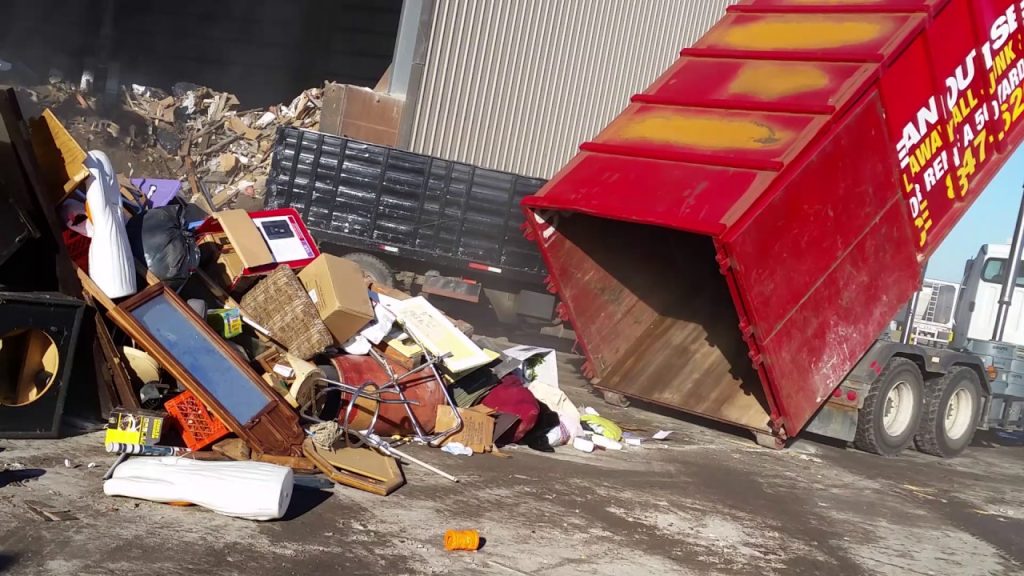
When a junk removal truck pulls away from your home or business, most people never think about what happens next.
Does everything go straight to the landfill?
Is anything actually recycled?
What about furniture, appliances, construction debris, or electronics?
The truth is that modern junk removal involves far more sorting, recycling, and material recovery than many people realize. In Kelowna and across British Columbia, waste disposal is heavily regulated to reduce landfill use and improve environmental sustainability. (kelowna.ca)
Here’s a closer look at what typically happens to your junk after pickup and how responsible junk removal companies help divert reusable materials away from local landfills.
Step 1: Junk Is Collected and Sorted
After pickup, junk removal crews usually transport materials to:
- Transfer stations
- Recycling facilities
- Donation centers
- Landfills
- Material recovery facilities
The first step is sorting.
Instead of dumping everything together, many companies separate items into categories such as:
- Metal
- Wood
- Concrete
- Cardboard
- Yard waste
- Electronics
- Appliances
- Furniture
- General garbage
Companies like TNT Kelowna emphasize recycling and responsible disposal practices whenever possible.
Step 2: Recyclable Materials Are Diverted
Many materials collected during junk removal can be recycled instead of buried in a landfill.
British Columbia operates one of Canada’s largest Extended Producer Responsibility (EPR) recycling systems, which helps manage recyclable materials across the province. (www2.gov.bc.ca)
Common recyclable materials include:
- Scrap metal
- Cardboard
- Concrete
- Clean wood
- Electronics
- Appliances
- Batteries
- Paint containers
The City of Kelowna and Glenmore Landfill also separate several recyclable materials from general waste streams. (kelowna.ca)
What Happens to Specific Types of Junk?
Furniture
Furniture in good condition may be:
- Donated
- Reused
- Repurposed
- Recycled for wood or metal
Damaged furniture that cannot be reused is typically dismantled and separated into recyclable components when possible.
Appliances
Appliances such as refrigerators, stoves, washers, and dryers often contain recyclable metal components.
Certain appliances also contain refrigerants or hazardous materials that require specialized disposal procedures under BC environmental regulations. (www2.gov.bc.ca)
Electronics
Electronics are never supposed to be dumped into regular garbage bins.
British Columbia has dedicated electronics recycling programs for:
- TVs
- Computers
- Phones
- Printers
- Monitors
- Audio equipment
Residents can locate approved recycling depots through the official Recycle BC network and provincial recycling programs. (recyclebc.ca)
Construction and Demolition Debris
Construction waste is one of the largest contributors to landfill volume in Canada.
Materials commonly recycled include:
- Concrete
- Asphalt
- Metal
- Clean wood
- Drywall
- Roofing materials
Concrete, for example, is often crushed and reused as aggregate for future construction projects.
Companies providing demolition and hauling services can separate materials during cleanup to reduce landfill waste. (tntkelowna.com)
Yard Waste
Yard debris is often composted or processed into mulch instead of being landfilled.
This includes:
- Branches
- Leaves
- Grass clippings
- Tree trimmings
- Organic landscaping debris
The Regional District of Central Okanagan provides composting and yard waste programs throughout the region. (rdco.com)
Step 3: Donation of Reusable Items
Many junk removal companies attempt to donate usable items before disposal.
This may include:
- Furniture
- Clothing
- Tools
- Household goods
- Toys
- Appliances in working condition
Donation programs help:
- Reduce landfill waste
- Support local charities
- Extend the lifespan of usable products
Not every item qualifies, but reusable materials are often redirected whenever possible.
Step 4: Remaining Waste Goes to the Landfill
Unfortunately, not everything can be recycled or donated.
Non-recyclable waste eventually ends up at facilities such as the Glenmore Landfill in Kelowna. (kelowna.ca)
Landfills are carefully regulated to:
- Reduce environmental contamination
- Manage methane gas
- Prevent groundwater pollution
- Control hazardous waste disposal
However, landfill space is limited, which is why recycling and diversion efforts are increasingly important across British Columbia.
Why Responsible Junk Removal Matters
Improper disposal and illegal dumping can create serious environmental problems including:
- Soil contamination
- Wildlife hazards
- Water pollution
- Fire risks
- Public health concerns
The BC Environmental Management Act regulates waste disposal and environmental protection across the province. (www2.gov.bc.ca)
Responsible junk removal companies help ensure waste is handled legally and sustainably.
How You Can Reduce Waste Before Pickup
Homeowners and businesses can help reduce landfill waste by:
Separating Recyclables
Sort:
- Cardboard
- Metal
- Electronics
- Yard waste
Before pickup whenever possible.
Donating Usable Items
If furniture or appliances still work, donation may be a better option than disposal.
Avoiding Hazardous Mixing
Keep hazardous materials separate from regular junk, including:
- Paint
- Chemicals
- Batteries
- Fuel containers
These often require special disposal facilities.
Helpful Local Resources
Residents can learn more about recycling and waste disposal through these local and provincial resources:
- City of Kelowna Waste & Recycling
- Glenmore Landfill Information
- Regional District of Central Okanagan Waste Reduction Office
- Recycle BC
- BC Hazardous Waste Information
Final Thoughts
After junk pickup, your items usually go through a surprisingly detailed process involving sorting, recycling, donation, material recovery, and responsible disposal.
While some waste still ends up in landfills, many materials can now be reused or recycled through local and provincial programs across Kelowna and British Columbia.
Working with environmentally responsible junk removal companies helps reduce landfill waste, support recycling initiatives, and keep reusable materials circulating instead of buried underground like forgotten relics in a modern-day garbage pyramid.
For junk hauling, demolition cleanup, recycling, and property cleanout services throughout the Okanagan, TNT Kelowna provides residential and commercial junk removal solutions across Kelowna and surrounding communities.