Interior Demolition vs. ‘Swinging a Sledgehammer’: Why Controlled Demo Matters
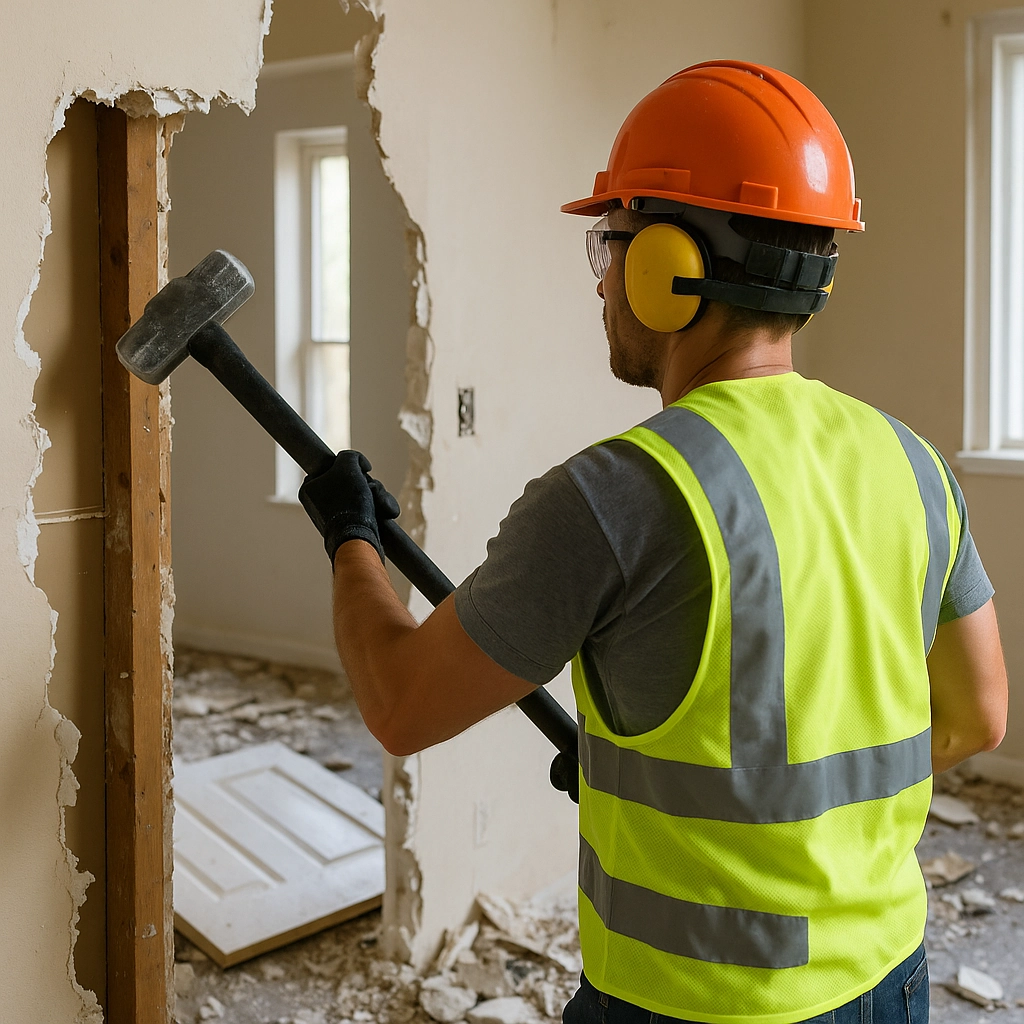
We’ve all seen the renovation shows where someone grabs a sledgehammer and starts smashing walls for the camera. It looks fun, fast, and simple. In reality, interior demolition is one of the most sensitive stages of a project—and the wrong swing in the wrong place can mean burst pipes, live electrical hits, structural damage, or surprise asbestos.
At TNT Kelowna, we treat interior and selective demolition with the same level of planning and safety as exterior teardowns. With 14+ years in the Central Okanagan, we dismantle interiors in a way that protects your structure, your budget, and the trades coming in after us.
If you’re planning a renovation in Kelowna, this guide explains why “controlled demo” matters, what’s involved behind the scenes, and when it’s worth bringing in a professional crew instead of swinging a sledgehammer yourself.
What People Imagine vs. What Interior Demolition Really Is
Most homeowners picture interior demo as “knocking down a few walls and ripping out some cabinets.” In practice, a proper demolition plan considers:
- Structure: Which walls are load-bearing, which are not, and how loads are transferred through beams, posts, and floors.
- Services: Hidden plumbing, electrical, gas lines, HVAC, and fire protection in walls, ceilings, and floors.
- Materials: Drywall, plaster, tile, engineered products, and any potential hazardous materials that may require abatement.
- Access and protection: How to get materials in and out without damaging finished areas, common spaces, or shared strata corridors.
- Sequencing: What needs to be removed first so framers, electricians, plumbers, and other trades can work efficiently.
Good interior demolition isn’t about brute force—it’s about careful dismantling in a way that respects the structure and sets the rest of the project up for success.
The Risks of “Swinging a Sledgehammer” DIY Demo
Unplanned or DIY demolition can seem like a cost savings up front, but it often leads to expensive surprises. Common risks include:
- Hitting live utilities: Striking electrical lines, water lines, gas lines, or sprinkler mains hidden in walls and ceilings.
- Compromising structure: Removing a wall or beam that carries load, causing sagging, cracked finishes, or unsafe conditions.
- Uncontrolled dust and debris: Fine dust spreading through the house or building, affecting occupants, neighbours, and mechanical systems.
- Missed hazardous materials: Disturbing asbestos, lead paint, or other hazardous materials without proper assessment or PPE.
- Damage to areas that are staying: Flooring, stair rails, windows, or fixtures getting banged up or coated in dust due to lack of protection.
- Schedule delays: Surprise repairs, rework, or required engineering reviews pushing your renovation timeline out by weeks.
By the time these issues show up, any initial savings from DIY demo are usually gone—and then some.
What Controlled Interior Demolition Looks Like
Controlled interior demolition is intentional and methodical. A typical approach includes:
- Assessment & planning: Review drawings, walk the space, identify load-bearing elements, and confirm what’s staying vs. going.
- Utility coordination: Confirm shut-off points, lockouts, and temporary services. Mark live lines that must remain active.
- Protection & containment: Install floor protection, poly walls, zipper doors, and dust control as needed to protect occupied areas.
- Selective dismantling: Remove fixtures, millwork, cabinets, and finishes in a controlled sequence before cutting into structure.
- Structural removals: Carefully open walls and ceilings, temporarily shore if required, and follow engineering direction where loads are affected.
- Sorting & debris management: Separate materials for recycling and disposal, and keep access routes clear for trades and inspectors.
- Final cleanup & handoff: Leave a clean, clearly defined space so framers, electricians, plumbers, and finish trades can start immediately.
The goal is simple: a safe, clean shell—on time, on budget, and ready for the next phase.
How TNT Kelowna Handles Interior / Selective Demolition
Our demolition services cover both full teardowns and selective interior work for homes, restaurants, offices, and retail spaces. For interior/demo projects, we focus on:
- Coordination with your team: We work with your designer, engineer, and contractor so everyone agrees on what’s being removed and what must be protected.
- Hazardous materials awareness: If an environmental consultant identifies asbestos or other hazards, our partners handle abatement before we start demolition.
- Dust and noise control: Containment, extraction, and clear working hours to keep neighbours, tenants, and other occupants in mind.
- Protection of finishes: Floors, staircases, windows, and features that are staying receive protection from day one.
- Efficient debris removal: Our trucking services and hauling keep materials moving off site so your project doesn’t get bogged down by piles of debris.
- Prep for the next trade: We coordinate with excavation, framing, utilities, and even landscaping to support the full construction plan.
When Interior Demolition Makes Sense
Controlled interior demo is a smart choice for projects like:
- Full-floor or whole-home renovations in older houses.
- Kitchen and bathroom gut jobs where everything is being reworked.
- Restaurant, retail, or office fit-outs where layouts are being reconfigured.
- Basement suites or secondary suites that need new layouts and services.
- Fire or flood damage remediation where finishes and non-structural elements must be removed safely.
In many cases, it’s less expensive to demo and rebuild properly than to “patch and piece” around existing issues.
Service Area
We provide interior and selective demolition throughout the Central Okanagan, including:
- Kelowna (Rutland, Glenmore, Black Mountain, Dilworth, Lower/Upper Mission)
- West Kelowna
- Lake Country
- Peachland
- Vernon
- Westbank First Nation
Frequently Asked Questions
Can I do some of the demo myself to save money?
In some cases, homeowners may remove finishes like trim or cabinets before our crew arrives. We always recommend a walkthrough first so we can flag any structural or safety concerns. Anything involving walls, ceilings, utilities, or potential hazardous materials should be handled by a professional.
How messy is interior demolition?
Demo is inherently dusty and noisy, but proper containment and cleanup make a big difference. We use protection, dust control measures, and efficient debris removal so the rest of the building isn’t turned into a construction zone.
Do I need to move out during interior demo?
It depends on the scope. For small, contained projects, you may be able to stay in other areas of the home. Larger projects, or those involving kitchens, bathrooms, or main living areas, are usually easier and faster if the space is vacated during demolition.
What if you find hidden issues behind the walls?
We’ll stop, document what we’ve found, and talk through options with you and your contractor. That might mean involving an engineer, adjusting the scope, or bringing in an abatement contractor. The priority is to address issues safely before moving forward.
Can you help with the rest of the project after demo?
Yes. Alongside interior demolition, we can support excavation, site work, trucking & hauling, and exterior landscaping. In winter, our snow removal services keep access open for trades and inspections.
Planning an Interior Demo in Kelowna?
If you’re looking at a renovation and wondering whether to start swinging a sledgehammer, it’s worth talking to a demolition team first. Controlled interior demo protects your structure, your budget, and the people working in and around your space.
Share your drawings, photos, and timeline and we’ll provide a clear plan and quote for safe, efficient interior demolition.